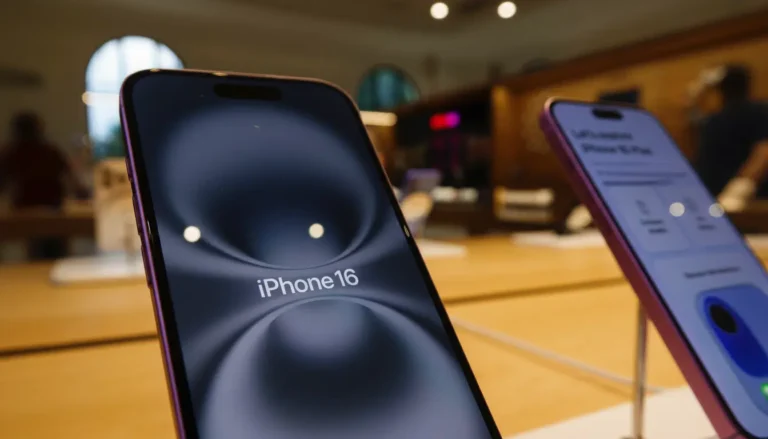
The latest iPhone 18 leak has sparked huge excitement, with reports suggesting Apple may finally introduce under-display Face ID in 2026. If true, this would mark the most significant front-design change since the removal of the Home Button, paving the way for a cleaner, edge-to-edge display.

Published Date:
Modify Date:

Industry sources referenced by MacRumors and The Verge indicate that Apple has made major progress in embedding TrueDepth sensor components beneath the OLED layer, allowing the display to remain uninterrupted.
This article contains affiliate links. As an Amazon Associate, Technopedia earns from qualifying purchases — at no extra cost to you.
What the Latest iPhone 18 Leak Reveals
According to analysts and supply-chain reports, Apple is testing a redesigned sensor layout where:
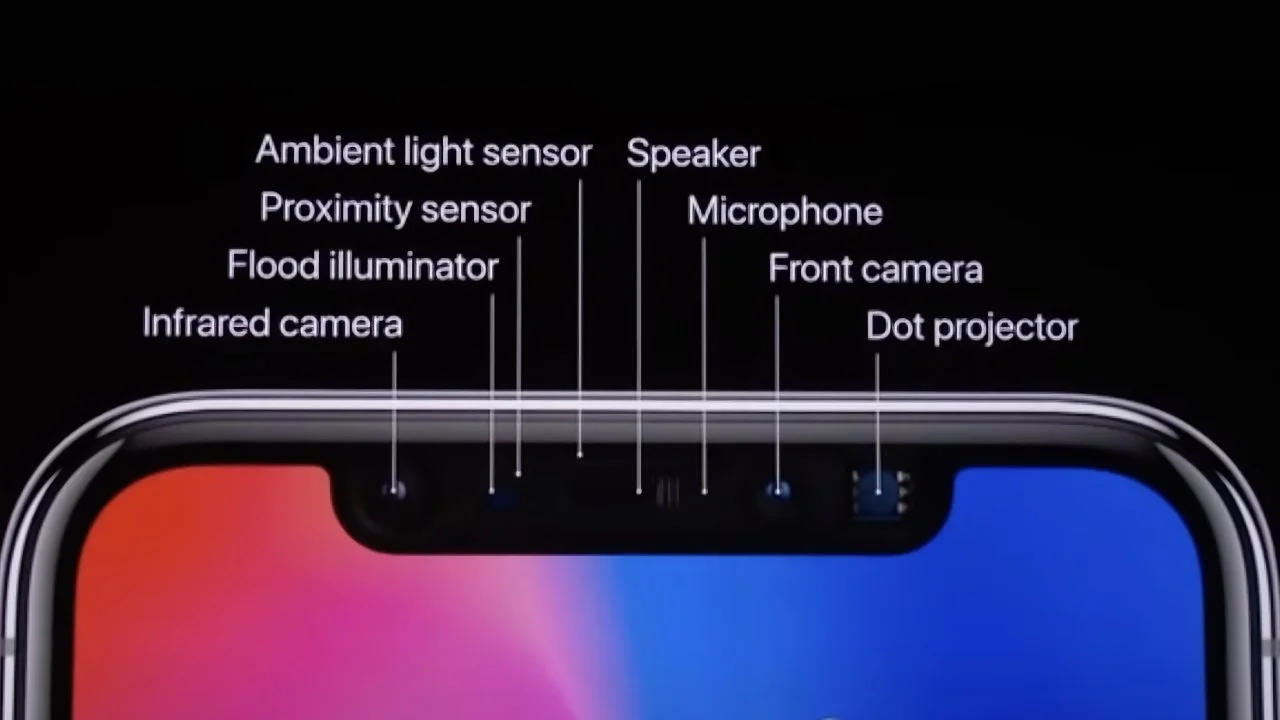
- The infrared camera
- Flood illuminator
- Dot projector
- Ambient sensors
They are all placed below the screen, making them invisible during regular use.
Multiple leaks also suggest the iPhone 18 Pro models may be the first to adopt this technology, while non-Pro models could retain the Dynamic Island for one extra generation.
External reference: MacRumors confirms Apple’s roadmap for under-display biometrics aligns with a 2026–2027 rollout.
How Under-Display Face ID Works (Simplified)
Under-screen Face ID combines:
- A specially engineered transparent OLED layer
- Infrared-transmitting pixel windows
- New algorithms to compensate for light diffusion
This allows infrared patterns to pass through the display and map your face—without requiring a visible sensor housing.
The challenge has always been clarity and performance in low light, which may now be resolved.


Why Apple Delayed This Until 2026
Apple historically avoids rushing new display technologies. Delays were caused by:
- Inconsistent IR transmission through OLED
- Lower camera clarity beneath the panel
- Reliability issues in early prototypes
- Apple’s strict calibration requirements
Reports from DSCC (Display Supply Chain Consultants) show the technology is now stable enough for commercial release.
Impact on Dynamic Island and Front Camera Design
If Face ID goes under-display:
- Dynamic Island may shrink or disappear
- A smaller punch-hole camera may remain
- Pro models may transition first
- Non-Pro models may follow in 2027
This aligns with Apple’s long-term goal of achieving a true full-screen iPhone.
Expected Timeline for Under-Display Face ID
| Feature | Expected Model | Probability |
|---|---|---|
| Under-display Face ID | iPhone 18 Pro (2026) | High |
| Under-display Camera | iPhone 19 Pro or later | Medium |
| Completely bezel-less iPhone | Post-2028 | Medium |
External sources: DSCC & DisplayMate research.
Should You Wait for the iPhone 18?
You should consider waiting if you want:
- A cleaner, uninterrupted front design
- Apple’s first-generation under-display biometric system
- A future-ready, minimalistic iPhone experience
You should not wait if:
- You need a phone upgrade now
- You prefer buying yearly models
- You want proven, stable technology
This change is impactful—but still early-stage.
Loved this guide? Explore more in Cybersecurity, AI Trends, Buying Guides, and Tech Review — your next tech discovery starts here. Don’t miss any Trending Tech News.